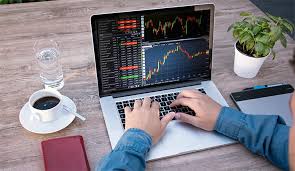
Choosing the Right Platform for Forex Trading
If you’re considering entering the lucrative world of forex trading, one of the first steps is to find the right trading platform. A well-suited platform can significantly enhance your trading experience and influence your potential for profit. The platform for forex trading Trading Platform CM is one option among many, with distinct features worth considering.
Understanding Forex Trading Platforms
Forex trading platforms serve as the interface between traders and the forex market. They provide tools for executing trades, analyzing market conditions, and managing accounts. Major platforms like MetaTrader 4 (MT4), MetaTrader 5 (MT5), and TradingView have become staples among traders due to their reliability and range of features.
Key Features to Look For
1. User Interface and Experience
The user interface (UI) greatly affects your trading efficiency. An intuitive layout with easy navigation helps traders execute trades quickly. A well-designed trading platform should minimize the learning curve and allow new traders to access charts, analysis tools, and order types without confusion.
2. Order Types and Execution
Different trading strategies require different order types. Look for a platform that supports market orders, limit orders, stop-loss orders, and trailing stops. Fast execution speeds are critical, especially for day traders and scalpers who rely on price movements throughout the day.
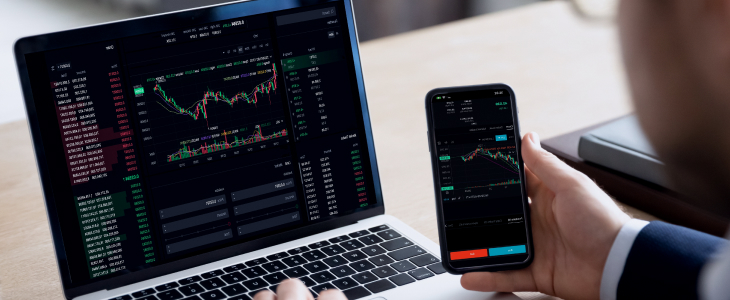
3. Charting Tools and Technical Analysis
Charts are the primary tool used for technical analysis. A good platform should offer a variety of chart types, including line, bar, and candlestick charts. Additionally, look for platforms offering diverse technical indicators, such as moving averages, RSI, MACD, and Fibonacci tools that can assist in your analysis and decision-making.
4. Range of Forex Pairs
If you have specific currency pairs you wish to trade, ensure the platform offers a broad selection. Major pairs (like EUR/USD, GBP/USD) are often prioritized, but your target trading strategy may require access to exotic pairs or commodities as well.
5. Mobile Compatibility
In today’s fast-paced environment, it’s essential to have a trading platform that offers mobile compatibility. Whether you’re at work or on the go, a mobile application allows you to monitor your trades and manage your portfolio anytime, which is increasingly crucial for active traders.
6. Security Measures
In the digital age, security is paramount. Look for platforms that leverage encryption technologies and two-factor authentication. This ensures that your personal data and funds are secure from breaches and fraud.

Cost and Fees
This is often a critical factor in selecting a forex trading platform. Different platforms have various fee structures, including spreads, commissions, and withdrawal fees. It’s essential to understand the cost implications to calculate your potential profit accurately. Some platforms offer no-commission trading, but have wider spreads, so be sure to do the math before committing.
Regulations and Licensing
Choosing a properly regulated platform is non-negotiable. Regulations provide some level of protection for traders and their funds. Always verify the regulatory status of the trading platform with recognized authorities such as the Financial Conduct Authority (FCA) in the UK, or the Commodity Futures Trading Commission (CFTC) in the USA. This ensures that the platform operates under strict rules and guidelines designed to protect traders.
Customer Support
Good customer support can make a significant difference in your trading experience. Ensure the platform offers multiple channels for support, including live chat, email, and phone support. Additionally, check for a detailed FAQ section on their website, as many common issues can often be resolved through this resource.
Educational Resources
For novice traders, educational resources can be invaluable. Many platforms offer tutorials, webinars, and articles to help traders learn the ropes. Look for platforms that provide access to trading strategies, market research, and analysis, as these can give you an edge in your trading endeavors.
Trial Accounts
Before committing real money, consider using a demo account. Many platforms offer free trials that simulate real trading environments without risks. This allows you to familiarize yourself with the interface, test strategies, and evaluate the platform’s features before engaging in live trading.
Final Thoughts
Selecting the right forex trading platform can be a daunting task with the plethora of options available. By understanding key features, costs, regulatory issues, and customer support options, you can make an informed decision that aligns with your trading goals. Remember that the best platform for you may depend on your individual trading style, so take your time to explore and test out different options before making a commitment.
Ultimately, successful forex trading is not solely about the platform you choose, but also about continuous learning, strategy refinement, and proper risk management. Whichever platform you opt for, prioritize those qualities to enhance your chances of success in the dynamic world of forex trading.